
Key Takeaways
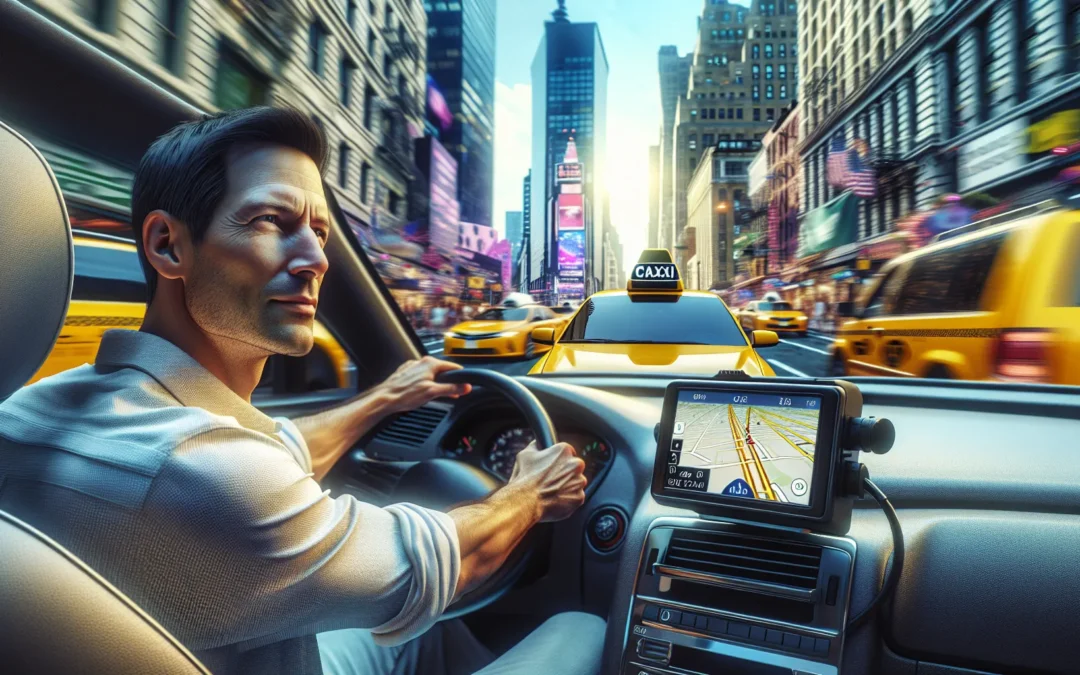
- Taxis heavily rely on GPS for navigation, combining technology with drivers’ local expertise for optimal route efficiency.
- GPS systems provide real-time traffic updates, alternative routes, and estimated arrival times, enhancing both driver performance and passenger satisfaction.
- Challenges of GPS use in taxis include occasional signal loss, outdated maps, and overdependence on technology, which may reduce drivers’ situational awareness.
- Mobile navigation apps like Google Maps and Waze complement traditional GPS by offering dynamic, frequently updated route data.
- Dispatch systems aid navigation by leveraging centralized fleet management tools and real-time communication for efficient trip assignments.
- Future trends in taxi navigation involve AI-driven route planning, IoT integration, and the rise of autonomous vehicles, promising continued innovation in the industry.
Ever wondered how taxi drivers seem to know their way around even the most confusing city streets? It’s easy to assume they’ve memorized every road and shortcut, but in today’s tech-driven world, there’s usually a little more to it. GPS navigation has become a game-changer, not just for everyday drivers but for taxis too.
I’ve always been curious about how much taxis rely on GPS versus good old-fashioned experience. While some drivers still swear by their knowledge of local streets, others embrace technology to make their rides smoother and more efficient. It’s fascinating to think about how this blend of human expertise and digital tools shapes the way taxis operate today.
Understanding Taxi Navigation Systems
Taxi navigation has evolved significantly, combining traditional knowledge with modern technology. Both methods contribute uniquely to route planning and customer satisfaction.
Traditional Methods of Navigation
Before technology, taxi drivers primarily relied on their memory and familiarity with city layouts. They learned shortcuts, traffic patterns, and landmarks through years of experience. Maps were used occasionally for less-traveled areas or in unfamiliar cities. Knowledge-heavy systems, like “The Knowledge” in London, required drivers to memorize thousands of streets and places of interest, ensuring they could navigate with precision.
Introduction of GPS Technology
The introduction of GPS transformed how drivers navigate. GPS devices provide real-time directions, traffic updates, and estimated arrival times. These systems use satellite connections to determine the most efficient routes. Popular apps like Google Maps, Waze, and specialized taxi platforms have integrated route optimization and live traffic data, enhancing efficiency. Even with advanced tech, experienced drivers still combine their expertise with GPS to adapt to unexpected situations.
Do Taxis Use GPS For Navigation?
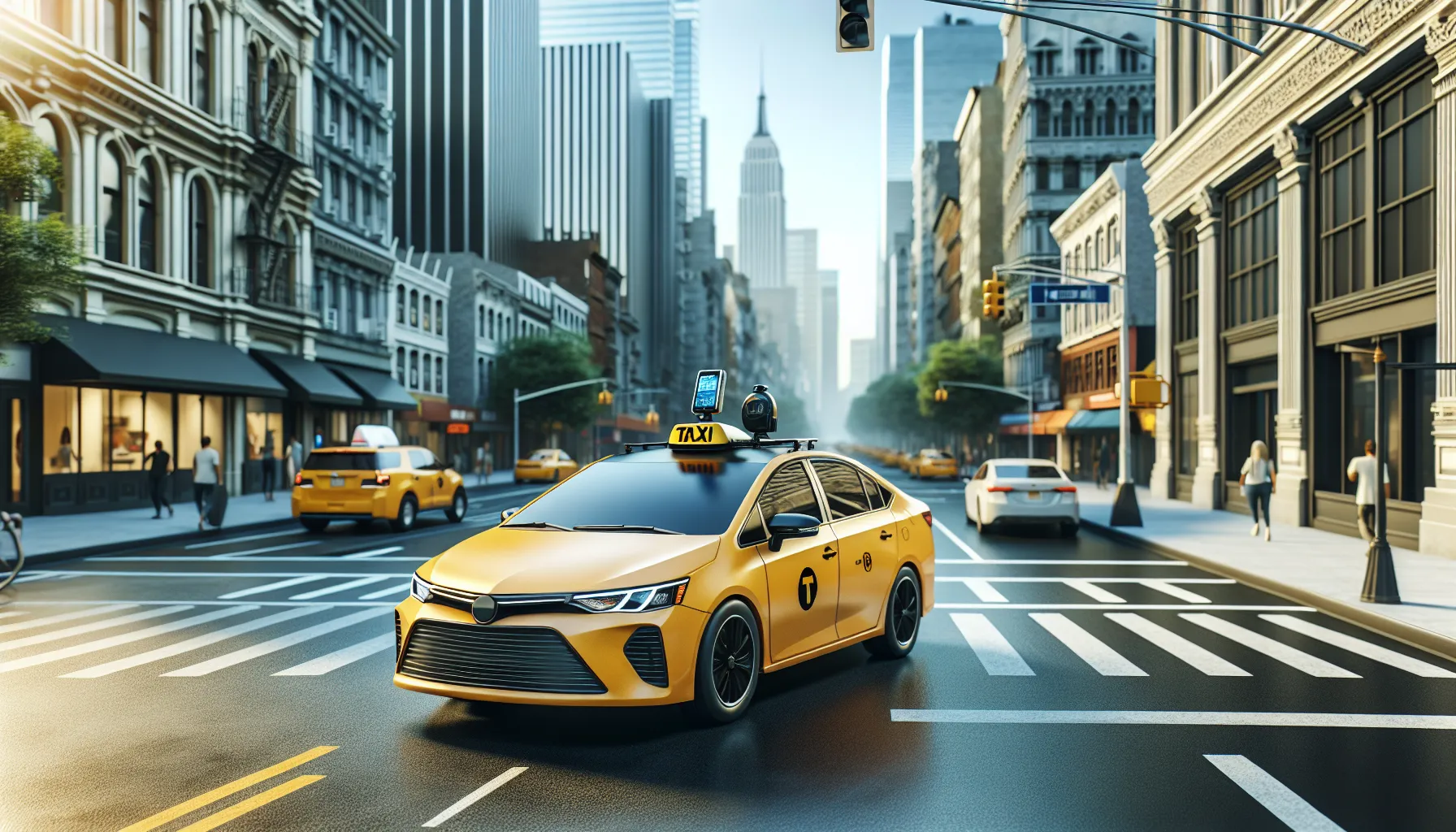
Most taxis today rely on GPS for navigation, combining it with drivers’ local knowledge. This integration ensures efficient navigation and an improved passenger experience.
Prevalence of GPS in Modern Taxis
GPS systems are standard in modern taxis, especially in cities with dense traffic or complex road networks. Many taxis come equipped with built-in navigation systems, while others use apps like Google Maps, Waze, or app-specific platforms such as Uber and Lyft. The widespread use of smartphones has further expanded GPS accessibility for drivers, enabling real-time updates on routes, traffic conditions, and incidents.
Benefits of Using GPS for Taxi Drivers
GPS technology optimizes route planning and minimizes delays. Drivers can quickly identify alternative paths during traffic jams, construction zones, or road closures. For drivers unfamiliar with certain areas, GPS ensures accurate navigation to any destination. Additionally, tools like estimated arrival times and route tracking enhance communication with passengers, improving overall service quality.
Challenges and Limitations of GPS in Taxis
Relying solely on GPS can lead to issues such as errors in route calculations or outdated maps in areas with recent changes. Signal loss in tunnels, underpasses, or remote areas can disrupt navigation. Traffic data inaccuracies may occasionally suggest inefficient routes. Moreover, overdependence on GPS could reduce situational awareness or the ability to handle situations requiring quick judgment without technical aid.
Alternatives To GPS For Navigation

While GPS is widely used in modern taxi operations, other methods and tools are also employed to ensure reliable navigation. These alternatives combine traditional techniques with advances in communication technologies.
Mobile Navigation Apps
Mobile apps like Google Maps and Waze enhance navigation by offering real-time traffic updates, alternative routes, and incident alerts. Unlike standalone GPS devices, these apps are frequently updated, making them a reliable choice. I often see drivers using these apps to supplement their local knowledge, especially in unfamiliar areas or traffic jams. Their dynamic features, like crowd-sourced traffic data, enable quick adjustments to the route.
Dispatch Systems And Communication
Taxi dispatch systems provide another means of navigation. Through radio or app-based communication, dispatch centers guide drivers based on centralized data. These systems often use fleet-tracking technology to assign trips efficiently and provide location-based directions. I rely on dispatch instructions when accuracy is vital in high-density areas or during events since the information is often tailored to minimize delays or disruptions.
The Impact Of GPS On Taxi Services
GPS technology has transformed taxi services by streamlining navigation and enhancing the overall riding experience. It provides real-time data and tools that improve both efficiency and customer satisfaction.
Improved Efficiency and Accuracy
GPS enables taxis to reach destinations faster by suggesting the most efficient routes based on live traffic conditions. Drivers quickly identify alternate paths to avoid delays caused by accidents or roadwork. Apps like Google Maps and Waze further increase accuracy by updating turn-by-turn directions promptly. This precision reduces detours, minimizes fuel consumption, and ensures timely arrivals.
Additionally, dispatch systems integrated with GPS optimize fleet management by assigning the nearest available taxi to passengers. These systems track vehicle locations in real time, ensuring resource allocation is streamlined in high-demand areas. The combination of GPS and dispatch technology guarantees operational efficiency across urban and suburban landscapes.
Enhanced Customer Experience
Passengers benefit from GPS navigation through features like real-time tracking and estimated arrival times. Tracking lets passengers monitor their ride, providing greater transparency and a sense of security. Apps used by services like Uber and Lyft display trip progress and anticipated duration, helping passengers plan accordingly.
GPS also contributes to smoother communication between drivers and passengers. Precise location sharing prevents confusion during pick-ups in congested or complex areas. Coupled with reduced travel delays, this improves satisfaction by offering convenience and reliability throughout the journey.
Future Trends In Taxi Navigation
Taxi navigation is evolving alongside advancements in technology. Emerging tools and systems promise to redefine how taxis operate, enhancing efficiency and user experiences.
Integration With AI and Smart Technology
AI-based systems are revolutionizing taxi navigation. Machine learning algorithms analyze historical traffic patterns and real-time conditions to provide optimal routes. AI also enhances predictive capabilities, allowing drivers to anticipate congestion or delays. For example, smart assistants integrated into navigation apps can offer voice-guided updates and suggest reroutes instantly.
Smart technology increases connectivity within vehicles. Internet of Things (IoT) devices, such as sensors in urban infrastructure, communicate with taxis to deliver precise navigational data. Digital interfaces enable seamless updates of route maps and traffic alerts, reducing reliance on manual adjustments.
Autonomous Vehicles and Navigation Systems
Autonomous taxis are set to disrupt traditional navigation. Self-driving systems use advanced GPS, LiDAR, and high-definition maps for precise route planning. These vehicles adapt dynamically to road conditions with the help of real-time data.
Automation in navigation minimizes human error. Autonomous systems calculate routes, avoid hazards, and ensure compliance with traffic laws without manual intervention. Companies like Waymo and Tesla are already testing fleets that prioritize passenger safety while optimizing travel efficiency with autonomous tech.
Conclusion
It’s clear that GPS has become an essential tool in modern taxi navigation, blending seamlessly with drivers’ local expertise to create a more efficient and reliable experience for passengers. While technology has transformed how taxis operate, the human element remains just as important, ensuring adaptability and quick decision-making in unexpected situations.
As advancements like AI and autonomous vehicles continue to shape the future of transportation, it’s exciting to think about how navigation systems will evolve further. For now, the combination of GPS and skilled drivers ensures that taxis can meet the demands of today’s fast-paced world while keeping passengers happy and safe on their journeys.
Frequently Asked Questions
1. How do taxi drivers balance traditional street knowledge with GPS navigation?
Most taxi drivers combine their local knowledge of city streets with GPS navigation. While their familiarity with routes helps in making quick decisions, GPS provides real-time traffic updates and optimal routes, ensuring an efficient and smooth ride for passengers.
2. What is “The Knowledge,” and how is it relevant for taxi drivers?
“The Knowledge” is a rigorous training system for London taxi drivers, requiring them to memorize thousands of streets and landmarks. It demonstrates the importance of traditional navigation skills, even in the modern era of GPS systems.
3. What are the main benefits of GPS for taxis?
GPS improves navigation by providing real-time traffic updates, optimized routes, and estimated arrival times. It also enhances passenger communication through features like live tracking and precise location sharing.
4. What are the limitations of GPS in taxi navigation?
GPS systems may sometimes display incorrect routes, have outdated maps, or lose signal in certain areas. Overreliance on GPS can also reduce drivers’ situational awareness and problem-solving skills.
5. How do mobile apps like Google Maps and Waze help taxi drivers?
Mobile apps like Google Maps and Waze provide real-time traffic updates, suggest alternative routes, and enhance navigation, especially in unfamiliar areas, complementing the drivers’ local expertise.
6. What role do dispatch systems play in taxi navigation?
Dispatch systems optimize fleet operations by assigning the nearest taxis to passengers, providing centralized data, and offering tailored navigation instructions to minimize delays and ensure efficiency.
7. How has GPS impacted passenger satisfaction in taxis?
GPS features like live tracking, estimated arrival times, and precise pick-up locations enhance transparency and improve communication, leading to a smoother and more secure passenger experience.
8. How are AI and smart technology shaping the future of taxi navigation?
AI analyzes traffic patterns and suggests optimal routes, while smart technology integrates IoT devices for improved connectivity. Autonomous vehicles are also emerging, utilizing advanced GPS and sensors for precise navigation.
9. Do all modern taxis have built-in navigation systems?
Most modern taxis are equipped with built-in navigation systems or use apps like Google Maps and Uber, especially in busy cities with high traffic density or complex roadways.
10. How do autonomous vehicles differ in navigation compared to traditional taxis?
Autonomous vehicles rely on advanced systems like high-definition maps, GPS, LiDAR, and sensor technology to navigate precisely and minimize human error, offering highly efficient and safe travel.