
Key Takeaways
- Electric taxis are transforming urban transportation by reducing carbon emissions, improving air quality, and promoting sustainability.
- Advancements in battery technology and charging infrastructure are making electric taxis more practical, with longer ranges and faster charging times.
- Operators and drivers benefit economically through lower operating costs, maintenance savings, and government incentives such as tax credits and subsidies.
- Passengers enjoy enhanced experiences, including quieter rides, smoother operation, and greener travel options, aligning with increasing eco-conscious preferences.
- Challenges such as limited charging infrastructure and high initial costs remain barriers but can be mitigated with expanded networks and affordable financing options.
- The future of the industry is driven by breakthroughs in technology, autonomous driving, and supportive government policies, paving the way for widespread adoption.
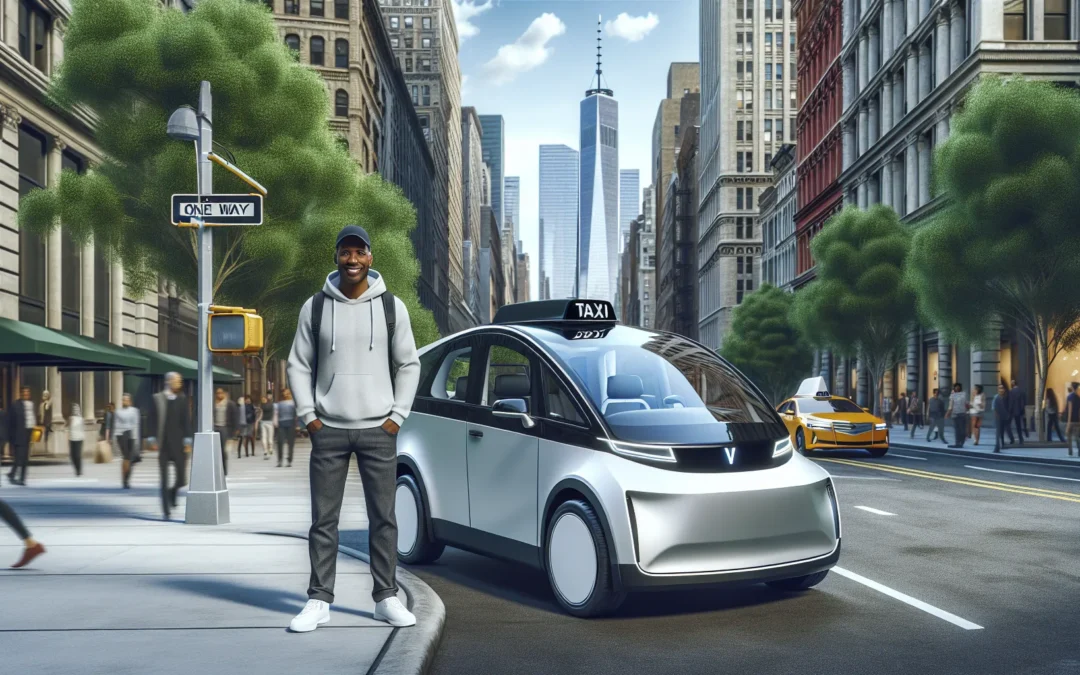
I’ve always been fascinated by how technology reshapes the way we live, and electric taxis are one of those game-changers. They’re not just about sleek designs or saving on gas—they’re redefining what it means to move through a city. From cleaner air to quieter streets, these vehicles are making an impact that’s hard to ignore.
What’s even more exciting is how they’re challenging the traditional taxi industry. Drivers are adapting, cities are rethinking infrastructure, and passengers are experiencing a whole new ride. It’s not just a shift in transportation—it’s a glimpse into the future of urban mobility.
The Rise Of Electric Taxis
Electric taxis are becoming a defining feature in modern urban transportation. Cities worldwide are shifting away from traditional internal combustion engine (ICE) taxis due to increasing focus on sustainability and emission reduction. Major metropolitan regions like London, New York, and Beijing are leading this transition by integrating electric taxis into their transportation networks.
Government policies are fueling this growth. Many cities are adopting regulations that limit or phase out ICE vehicles in favor of electric options. Incentives like grants, tax breaks, and zero-emission zones make it easier for taxi operators to switch to electric fleets.
Advancements in battery technology play a crucial role. Charging stations are now more prevalent, with some cities installing ultra-fast chargers to reduce downtime for drivers. Battery capacities have significantly improved, enabling electric taxis to cover distances comparable to traditional vehicles. For example, modern electric taxis can achieve ranges exceeding 200 miles on a single charge.
Ride-sharing companies are also embracing electric taxis. Operators like Uber and Lyft have announced plans to transition to electric fleets by specific target years. This trend is encouraging independent taxi businesses to follow suit to remain competitive in an increasingly eco-conscious market.
Passenger preferences are shifting. Travelers are starting to prioritize eco-friendly travel options, especially in urban areas. Electric taxis offer a smoother, quieter ride, enhancing the overall passenger experience while supporting growing environmental concerns.
Environmental Impact Of Electric Taxis
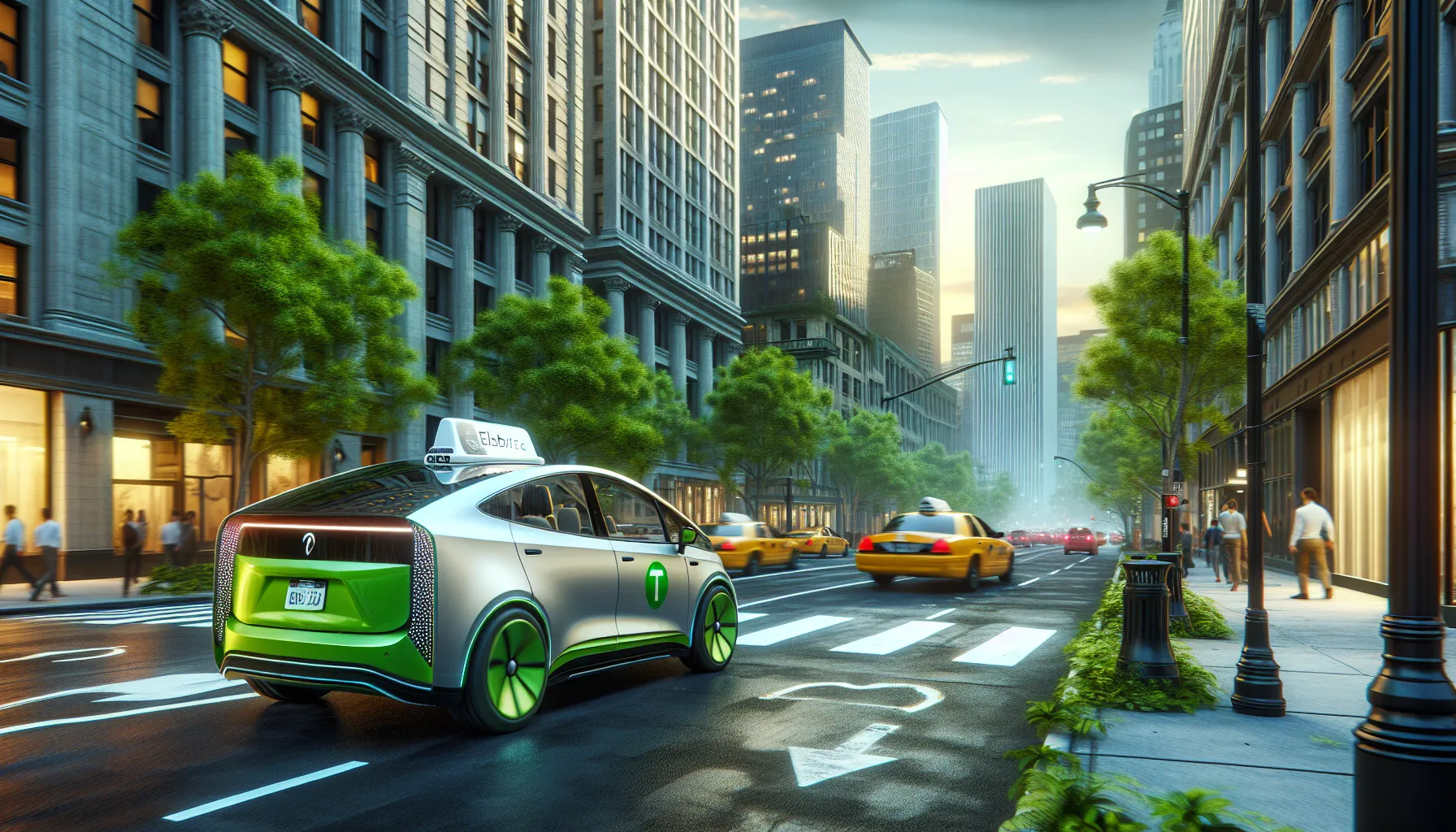
Electric taxis are reshaping urban transport by significantly lowering environmental pollutants. Their widespread adoption contributes to cleaner cities focused on sustainability.
Reducing Carbon Emissions
Electric taxis drastically reduce carbon dioxide emissions compared to internal combustion engine (ICE) vehicles. Traditional ICE taxis emit approximately 4.6 metric tons of CO2 annually per vehicle according to the EPA, while electric taxis produce none during operation. This transformation helps cities align with emission reduction targets and combat climate change. For example, London’s electric taxi fleet has contributed to a noticeable decrease in citywide air pollution since its implementation.
Contribution To Sustainable Urban Transport
Electric taxis enhance the sustainability of urban transportation systems. Their use lowers dependency on fossil fuels while supporting renewable energy integration. Many cities, such as Beijing, are pairing electric taxi adoption with investments in renewable-powered charging networks. This approach reduces environmental strain and promotes energy-efficient city mobility. Such innovations ensure that electric taxis not only lower emissions but also help create resilient, eco-conscious urban transportation ecosystems.
Economic Advantages For Operators And Drivers
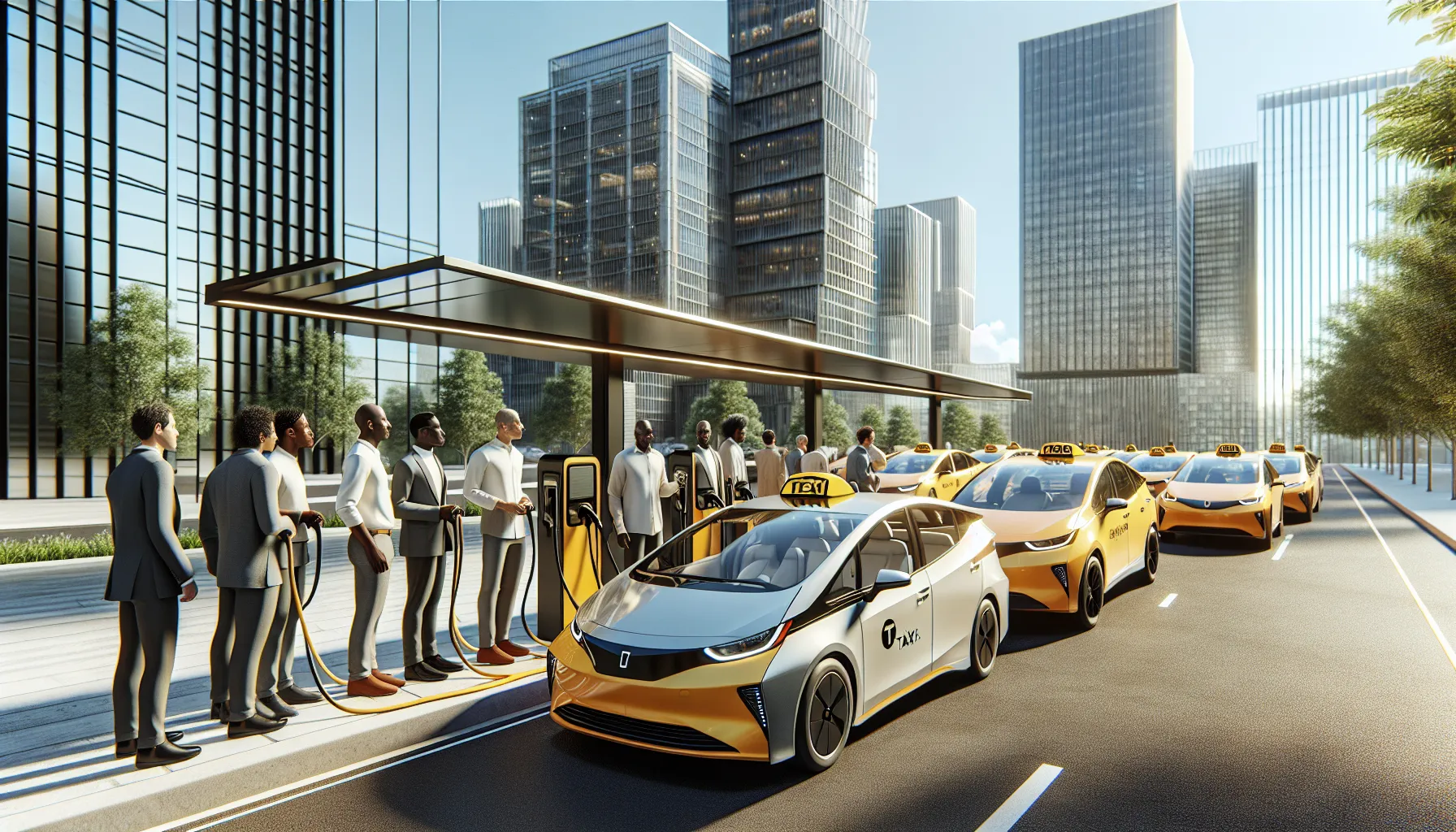
Electric taxis are transforming the economics of running and driving taxis. These vehicles reduce costs and open access to financial incentives that benefit both operators and drivers.
Lower Operating Costs
Electric taxis lower operating expenses by cutting fuel and maintenance costs. Electricity per mile is cheaper than gasoline, with average savings of $0.05–$0.10 per mile. Maintenance costs are also lower because electric vehicles (EVs) have fewer moving parts, such as no engines, exhaust systems, or transmissions, reducing repair frequency. For example, the lack of oil changes and spark plug replacements can save drivers several hundred dollars annually. Over time, these reductions significantly boost profitability for fleet operators and earnings for drivers.
Incentives And Subsidies
Various incentives and subsidies increase the affordability of electric taxis. Governments in cities like New York and London offer purchase subsidies of $7,500–$10,000 for EV adoption. Operators also benefit from reduced licensing fees and access to exclusive grants for transitioning fleets. Many regions provide tax credits that lower upfront investment costs. Additionally, access to free or discounted charging stations, like those supported by Beijing’s renewable energy programs, reduces charging expenses. These financial benefits make adopting electric taxis more accessible for operators and drivers alike.
Passenger Experience And Public Perception
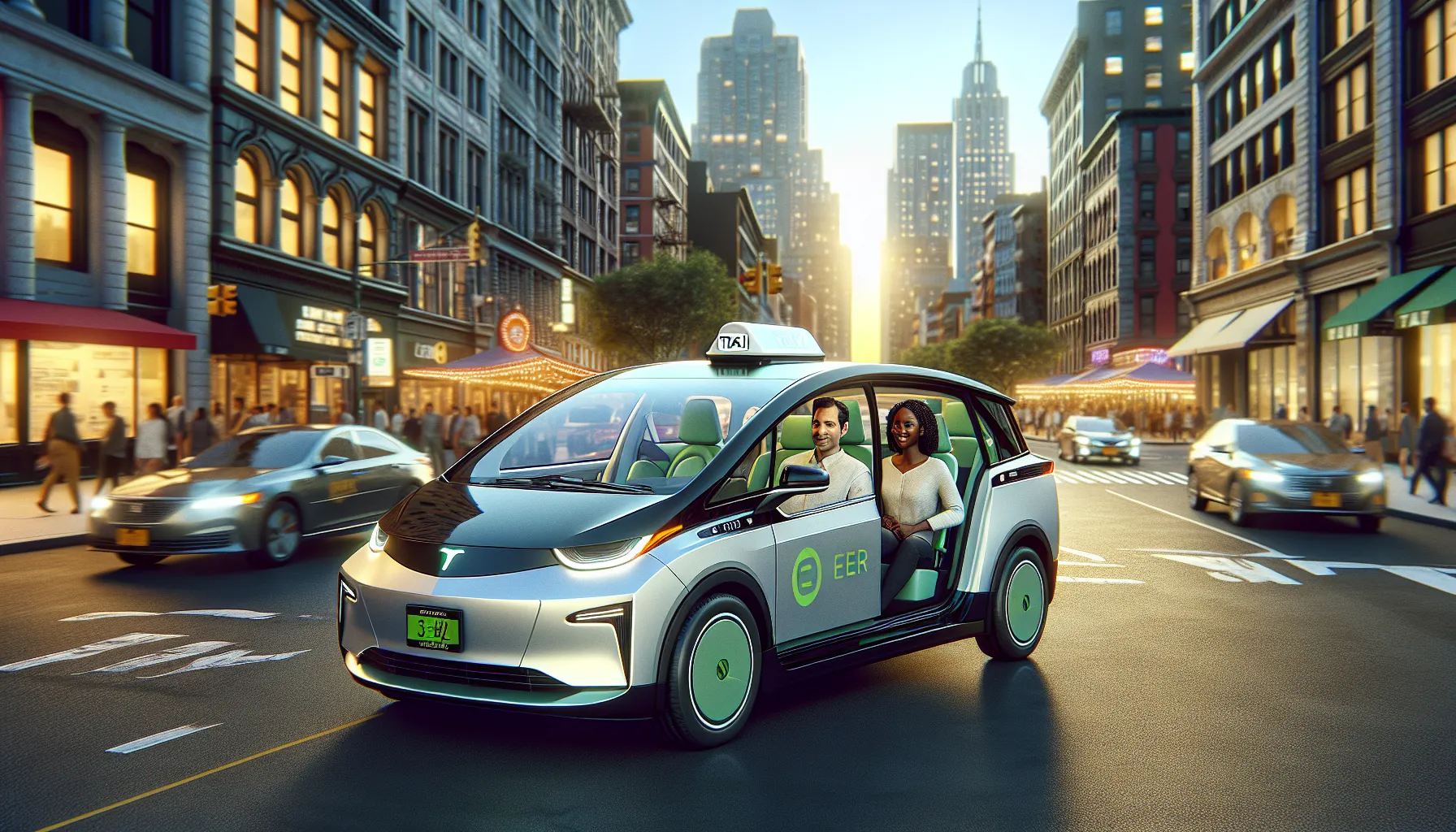
Electric taxis are redefining passenger experiences and shifting public perceptions towards greener, more sustainable transportation. People now associate these vehicles with comfort, innovation, and environmental responsibility.
Enhanced Comfort And Quiet Rides
Electric taxis offer smoother rides with advanced electric drivetrains reducing vibrations compared to internal combustion engines. Quieter operations eliminate engine noise, creating a peaceful cabin environment even in bustling city streets. Many passengers appreciate the improved air quality inside, as electric vehicles produce no tailpipe emissions. Features like climate-controlled interiors and spacious seating in modern electric taxi designs further enhance the experience.
Growing Support For Green Initiatives
Public preference for eco-friendly transport options is rising as awareness of environmental issues grows. Passengers value the reduced carbon footprint of electric taxis, particularly in cities where urban pollution is a concern. Supporting these taxis aligns with societal efforts to combat climate change and promote clean energy. In cities like London and San Francisco, campaigns highlight the impact of electric fleets, fostering positive perceptions and public support. This increase in community backing is encouraging further adoption of electric taxis worldwide.
Challenges Hindering Wider Adoption
Despite their benefits, electric taxis face challenges that limit their widespread adoption. Addressing these issues is essential to support the transition to greener urban transportation.
Charging Infrastructure Limitations
Charging availability remains a significant barrier for electric taxi operators. Inadequate charging station networks make it difficult for drivers to recharge efficiently, especially during peak hours. Many cities lack sufficient fast-charging stations, leading to long wait times and reduced productivity for drivers. For example, while cities like Beijing and Amsterdam have extensive infrastructure, others struggle to meet growing demand, limiting adoption.
Operating areas with dispersed charging points further complicate route planning for drivers, particularly in suburban or less densely populated regions. Expanding charging sites and ensuring compatibility across vehicle types could help resolve these challenges.
Initial Investment Costs
The upfront cost of electric taxis is often higher than that of traditional ICE vehicles. Premium prices for EV models, driven by advanced battery technology and manufacturing expenses, deter some operators. For instance, a new electric taxi can cost 30-50% more than conventional alternatives, creating financial strain for independent drivers and small fleet owners.
Although government subsidies and tax incentives offset expenses, many still face financial hurdles due to the initial purchase cost. Affordable financing options and broader access to leasing programs could encourage operators to make the switch.
The Future Of Electric Taxis In The Industry
Electric taxis are reshaping the future of transportation with technological advancements and supportive policies. They promise cleaner, more efficient operations as cities strive for greener urban mobility.
Emerging Technologies And Innovations
Advanced technologies are enhancing the viability of electric taxis. Improved battery capacities are extending vehicle ranges, with some models now exceeding 300 miles per charge. Fast-charging infrastructure advancements, such as ultra-fast chargers reducing recharge times to under 20 minutes, are boosting operational efficiency. Wireless charging pads are emerging, allowing taxis to recharge during short stops at designated zones.
Autonomous driving technology is also becoming a key focus. Self-driving electric taxis could minimize labor costs and 24/7 availability further revolutionizes transportation. Companies like Tesla and Waymo are integrating these innovations into test models. Innovations in energy management software help optimize routes, minimize battery usage, and maximize profitability for drivers and fleet managers.
Policies Driving Electric Adoption
Government policies are accelerating the shift towards electric taxis. Many cities are enforcing emission-free zones, requiring taxis in these areas to be fully electric. For example, London plans to expand its Ultra Low Emission Zone, pushing more operators towards electrification. Cities like Amsterdam are levying penalties for ICE vehicle use while offering discounts to electric taxis.
Incentive programs include purchase subsidies, tax credits, and tax waivers, reducing initial investment costs for operators. China provides subsidies up to $14,000 per electric taxi, boosting adoption rates. In the US, the EV tax credit offers up to $7,500 for eligible purchases. Policies mandating fleet electrification by set deadlines—2025 in California and 2030 in the European Union—further shape the industry’s trajectory towards sustainability.
Conclusion
Electric taxis are more than just a trend—they’re a glimpse into the future of urban transportation. They’re redefining how we think about sustainability, efficiency, and passenger comfort while addressing some of the most pressing environmental challenges cities face today.
As technology continues to advance and governments push for greener initiatives, the potential for electric taxis to dominate the industry feels closer than ever. With the right investments and infrastructure, I believe these vehicles can pave the way for a cleaner, quieter, and more sustainable future in cities worldwide.
Frequently Asked Questions
What are the main benefits of electric taxis for the environment?
Electric taxis produce zero tailpipe emissions, helping cities reduce air pollution and carbon footprints. They also lower reliance on fossil fuels and promote the integration of renewable energy, contributing to cleaner, more sustainable urban living.
How do electric taxis lower operating costs for drivers?
Electric taxis reduce fuel and maintenance expenses since they rely on electricity rather than gasoline, and have fewer moving parts, which minimizes wear and tear. Drivers save an average of $0.05–$0.10 per mile and reduce maintenance costs significantly.
How are passengers benefiting from electric taxis?
Passengers enjoy smoother, quieter rides with reduced vibrations and no engine noise. Electric taxis also provide a cleaner cabin environment due to zero-emission operations, improving air quality and enhancing comfort while promoting eco-conscious travel.
What challenges are slowing the adoption of electric taxis?
Key challenges include the lack of sufficient charging infrastructure, particularly fast-charging stations, and the higher initial investment costs of electric taxis. These issues create barriers for drivers and fleet operators despite available subsidies and incentives.
How are cities supporting the transition to electric taxis?
Cities are enforcing emission-free zones, offering purchase subsidies, tax incentives, and reduced licensing fees to encourage adoption. Governments are also investing in better charging infrastructure and mandating fleet electrification by specific deadlines.
Why is battery technology important for the future of electric taxis?
Advancements in battery technology, such as increased capacity and faster charging, improve the range and efficiency of electric taxis. Emerging technologies like wireless and ultra-fast charging further enhance convenience for drivers and passengers.
Are ride-sharing companies adopting electric vehicles?
Yes, major ride-sharing companies are transitioning to electric fleets to align with sustainability goals. This trend encourages independent taxi operators to adopt electric vehicles, making the industry more eco-friendly and competitive.
What role do government incentives play in this transition?
Government incentives like tax credits, purchase subsidies, and access to discounted charging stations reduce the financial barriers of adopting electric taxis. These measures make electric vehicles more affordable and help accelerate their widespread use.
How do electric taxis impact urban air quality?
Electric taxis help significantly improve urban air quality because they produce no tailpipe emissions. This reduction in pollutants combats smog and respiratory health issues, particularly in densely populated cities.
What is the future outlook for electric taxis?
The future of electric taxis includes innovations in autonomous driving, ultra-fast charging, and wireless charging technologies. With supportive government policies and advancing technology, electric taxis are poised to become the backbone of sustainable urban transportation.